The Sleep Recovery
A 4-week Guided Reset
Understand why your body won't switch off — and finally do something about it.
Still wide awake at 11pm, even though you were exhausted by 3pm?
You promise yourself an early night. Then 11pm rolls around and your brain starts its greatest hits — work, the kids, that email, your health, the conversation you've been avoiding.
And if you do fall asleep? You're wide awake again at 2am. Sometimes 3am too.
"What is wrong with me?"
"Why can't I just sleep like a normal person?"
You've tried the magnesium. The melatonin. The apps, the teas, the earlier bedtimes. Some of it helps a little… None of it sticks.
This is your body working correctly — just under the wrong conditions.
Sleep isn't a bedtime problem. It's a whole-day problem.
Your blood sugar. Your stress load. Your cortisol rhythm. Your hormones, quietly shifting through perimenopause. All of this decides whether your body feels safe enough to switch off at night — long before you get to bed.
A wind-down routine alone can't fix a nervous system that's been on high alert for months. It was never the right lever.
Tired But Wired
Exhausted, but your brain switches on the second your head hits the pillow.
Running on Fumes
Running on caffeine and will. Crash mid-afternoon, still can't sleep at night.
The 3am Thinker
Fall asleep fine, wake mid-cycle wide alert, can't get back down.
The Fragile Sleeper
One warm night, one wine, one stressful day, and you're off for a week.
Each has a different driver. That's exactly why the same generic advice hasn't worked — it was never built for your pattern.
Here's What Actually Changes
Waking up before your alarm — not because you forced it, but because you've already had enough sleep.
Getting through your morning without the second coffee just to feel human. Making it through the school pick-up, the meeting, the hard conversation, with something left in the tank in the evening.
Climbing into bed without the low hum of dread about whether tonight's another 2am ceiling-staring session.
That's what happens when your body finally feels safe enough to do what it's designed to do, every night, without a fight.
I've been the woman doing the 2am maths too
For most of my life I could sleep anywhere. Then perimenopause arrived quietly, in the middle of running a business and holding everyone else up.
I became the woman watching the clock. Coming home to a quiet house thinking if only I could get back into bed and stay there.
I'm one of the only practitioners in Australia trained in both naturopathy and biochemistry, with nearly 30 years in clinical practice. I understand this at a cellular level — but living it is what changed how I practise.
Why This is Different?
Most sleep advice asks: What do I do at bedtime to fall asleep faster?
This program asks: What is my body actually asking for?
• Root cause, not band-aid fixes
• Clinical depth, explained simply — no jargon
• Built for women 35–60 navigating hormonal change
• 30 years of real pattern recognition, not generic checklists
The 4-Week Sleep Recovery
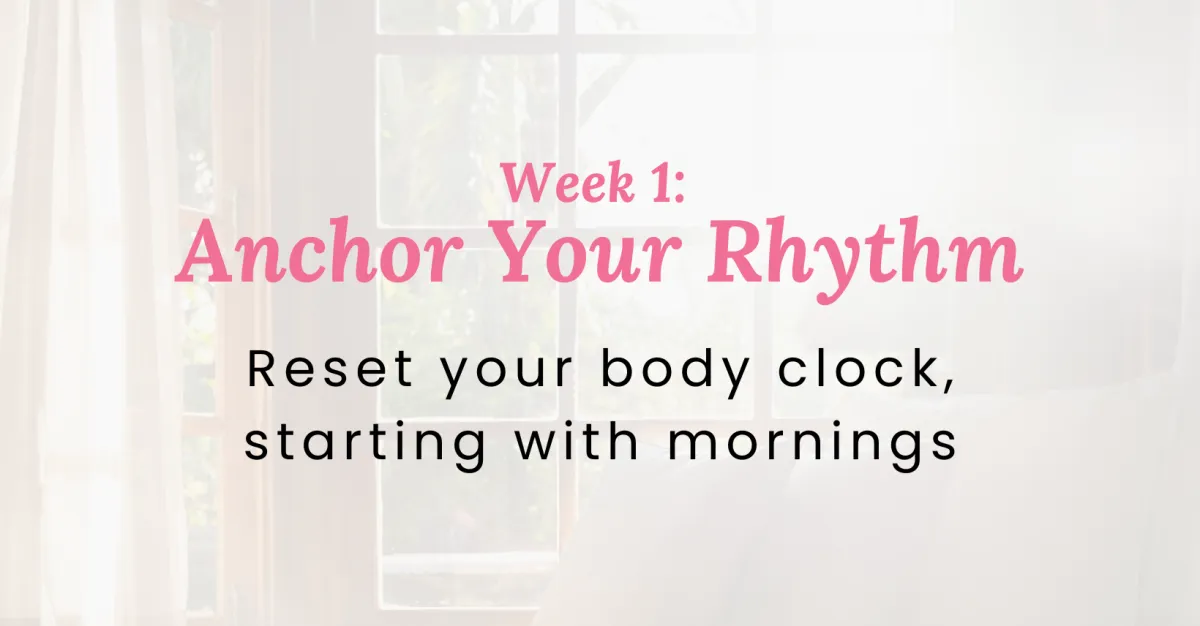
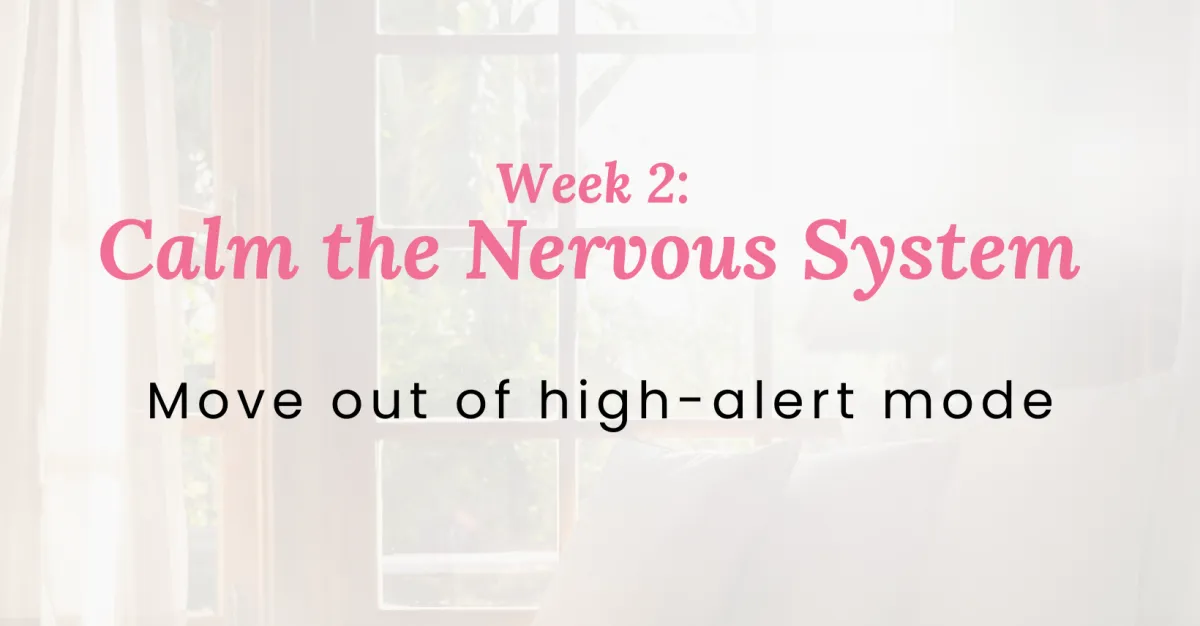
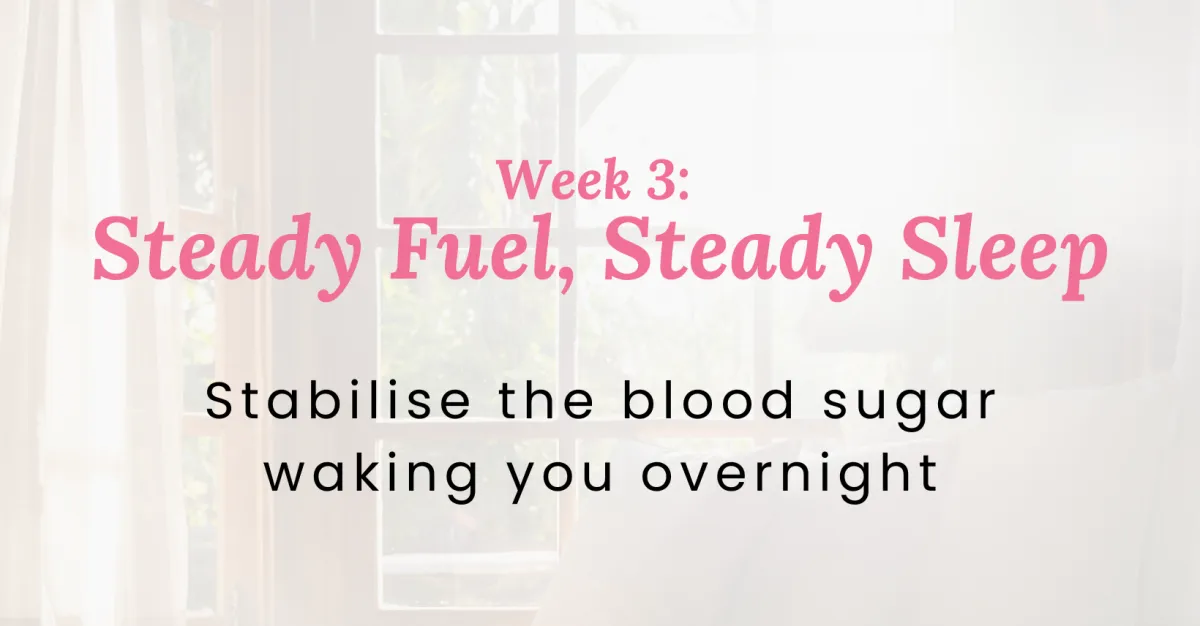
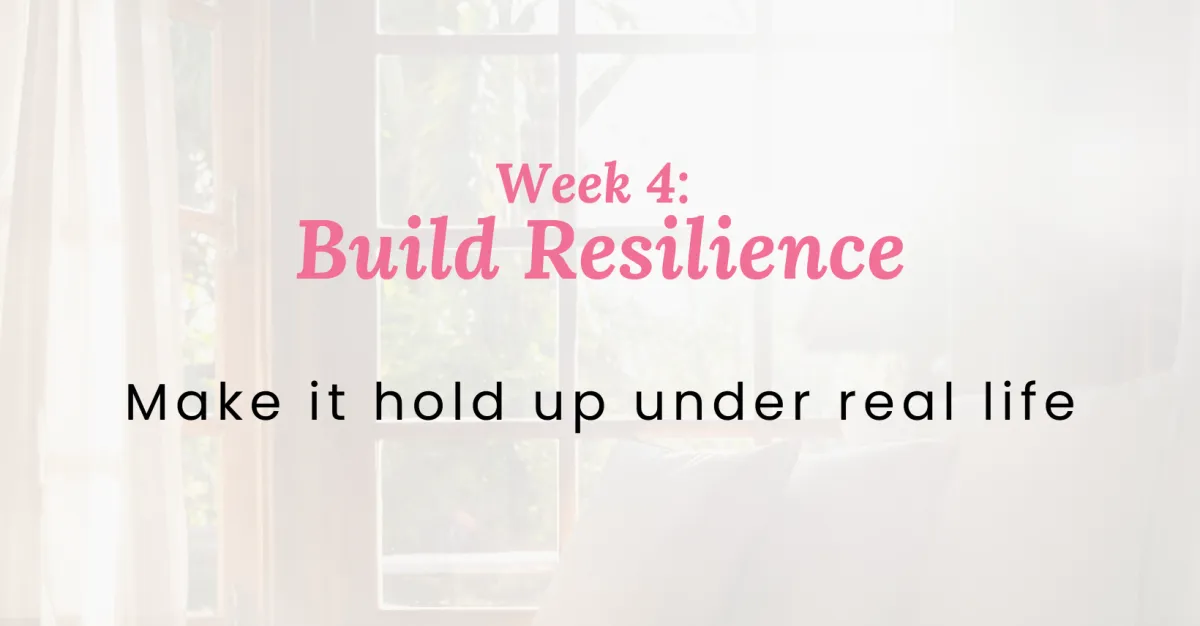
What's Included
✔ 4 weeks of guided teaching, on your schedule
✔ Workbooks that turn the science into daily action
✔ Your companion app, guiding you week by week
✔ Direct support when you're stuck
This Is For You If:
✔ You're exhausted but can't switch off
✔ You wake overnight and can't get back to sleep
✔ You've tried the supplements, all of it
✔ You're 35–60 and your body feels like it changed the rules
✔ You want the why, not just another what
What Others Say
Your Investment
Less than the cost of the sleep aids, supplements, and extra coffees you're already buying just to get through the week — except this one actually addresses why you need them.
Questions Before You Join
I've genuinely tried everything already. Why would this work?
Because most sleep advice targets the symptom. This targets the cause — the specific pattern keeping your body from deep sleep. That's a different conversation, and it tends to open up things nothing else has.
What if I fall behind during the 4 weeks?
Everything is guided but self-paced. There is a live session, however, it is recorded and can be viewed on demand. You can work through it when your week allows, with the app keeping you on track.
Is this actually relevant if I'm in perimenopause, not menopause?
Yes — this is squarely for you. Hormonal shifts through perimenopause directly affect the pathways covered in the program.
Will this feel like "another program" I don't finish
It's built in small, sequential steps designed to fit into an already full life — not add to it.